Article · Lenses

3D Pop You Can't Buy New: Contax Zeiss Lenses

Most of the lenses I bring to a client's gala are older than some of the guests. They're Contax Zeiss lenses with fixed focal lengths, made by Zeiss for Contax film cameras between 1975 and 2005, and mine date from the nineties. They're fully manual, with no auto­focus and no electronics, and on a spec sheet many modern lens beat them.

I still put them on whenever a job allows. In the past I shot on a Sony camera with Tamron lenses, and when I tested my first Contax, the image on the monitor changed. The person in the frame stood out with a depth I hadn't seen from a lens before, as if the picture had one more dimension than the screen showing it. People call this 3D pop. The first two I owned were a 50mm and an 85mm, the set has grown to seven lenses since, and the effect still gets me, most of all in the moment I switch to them in the middle of a job.

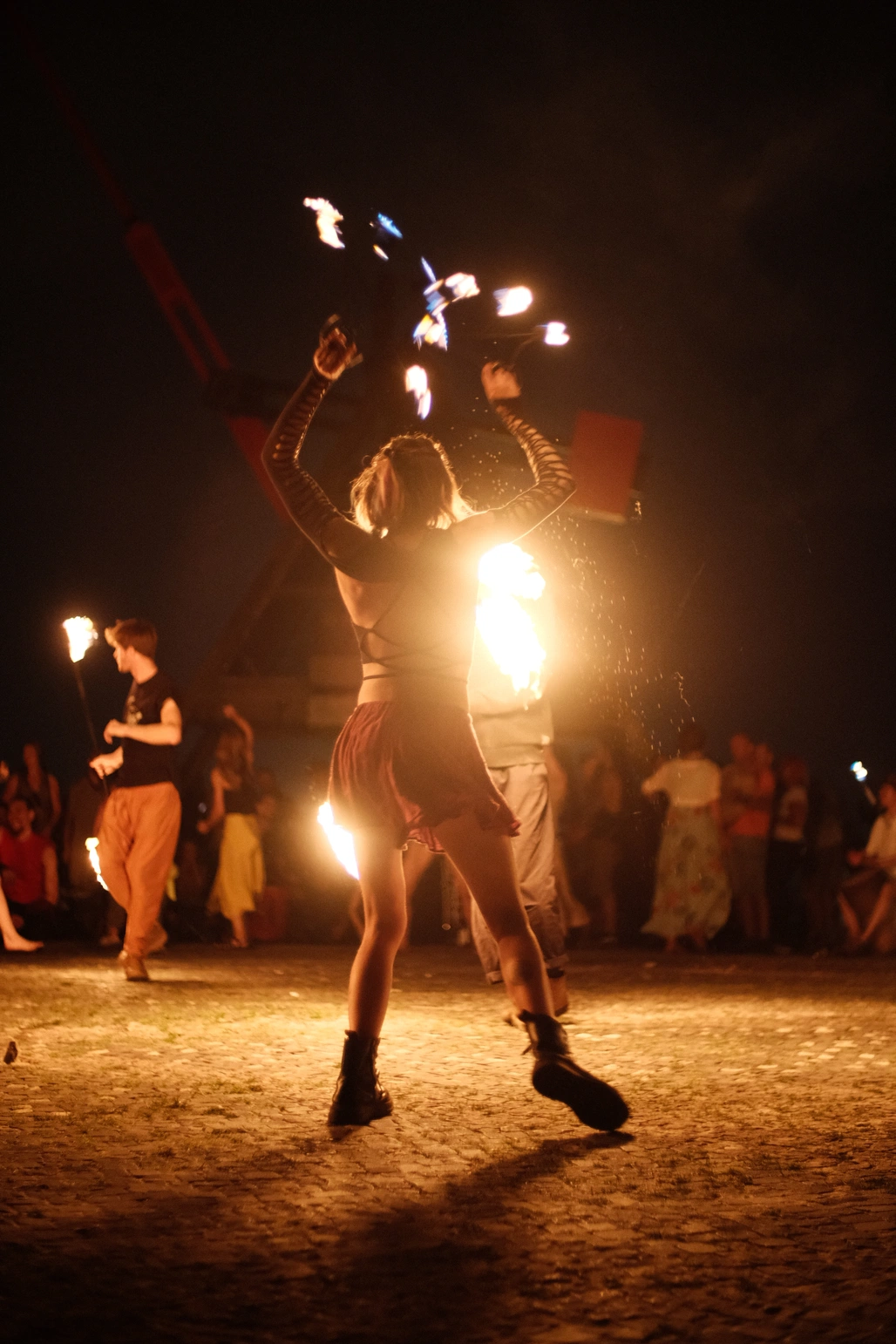
One of the pictures from early on that surprised me and convinced me, that these lenses are something special. Why does it look almost like a hologram?

Where the 3D pop comes from

3D pop lives in micro contrast. Zeiss uses the term for the contrast a lens keeps in the finest structures it renders, around 40 line pairs per millimetre, as opposed to the broad contrast between large bright and dark areas. In plain words, it is contrast at the scale of pores, eyelashes, stubble and the weave of a jacket. When a lens holds that fine texture cleanly, a face stops looking photographed and starts looking present: skin has grain and warmth, eyes keep their glint, and edges are crisp. The photographer and lens reviewer Lloyd Chambers, writing on Zeiss's own Lenspire blog, says preserving that contrast is "what makes an image look alive and real", and calls the result "pop", "3D rendering" or the "bite" of fine details. I haven't found better words for this effect myself.

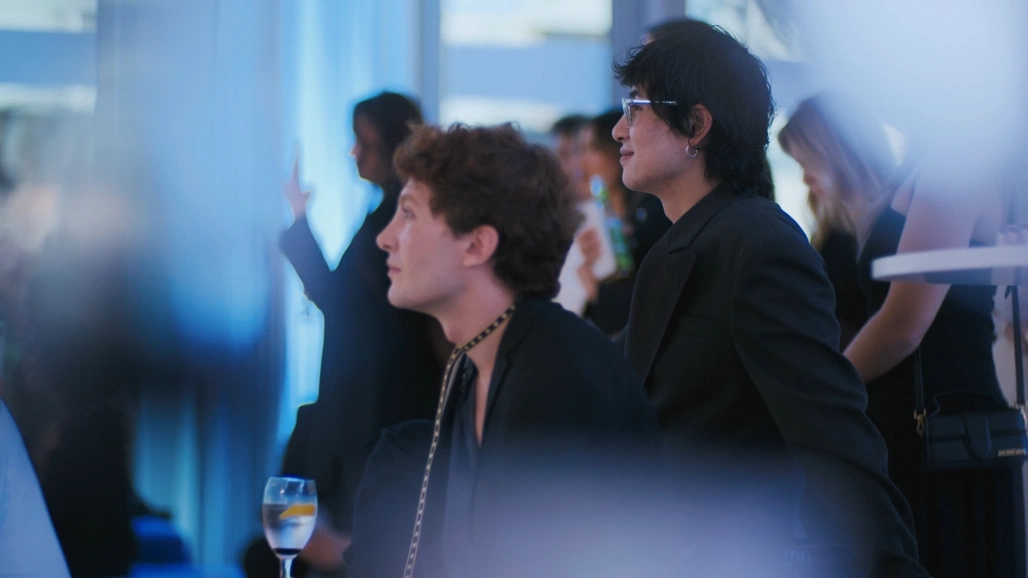
Smooth transitions The gradual falloff of the focus plane, a specific characteristic that differs from modern lenses, is one of the reasons that would give you the feeling there is something different about this picture, that it looks more alive and real somehow. 3D pop also isn't the same thing as shallow depth of field, which is where a lot of the confusion comes from. Marko Li, a film­maker who writes about image quality on his Clever Ghost blog, makes the point in his long essay What is Image Quality, Really?: if dimensionality were just back­ground blur, images would never look dimensional at f/8. They do. Most of my own footage is shot between f/2.8 and f/5.6 with plenty of the room behind the subject still in focus, and the Contax lenses still make the person stand out from it. The separation comes from how the lens draws the subject, not from how hard it erases every­thing else.

Modern lenses aren't short on sharpness. Most current glass from Sony, Sigma or Fujifilm is corrected to a clinical degree, and at shallow depth of field it gives me what I think of as the green-screen look: the person looks pasted onto a blurry photo of the room, as if the two were taken on different days. The subject is sharp, the back­ground is soft, and nothing connects the two. Li describes the same effect from his own comparisons. Lenses from Fujifilm, Sigma and Sony, he writes, can be as sharp as Zeiss "while somehow not looking as dimensional", looking "like a cut-out".

Part of the explanation is in how a lens draws the transition between a focused and an out of focus area. Stefan Ballmann of Zeiss research explains that lenses with spherical over­correction tend to show a harsher transition from sharp to blurred areas, and that hard edges in that transition are often seen as artificial. That abrupt cliff between the sharp plane and every­thing behind it is exactly what reads as a green screen. With the Zeiss lenses the fall-off is gradual. The eye travels from the eyes to the ears, to the shoulders, to the room, and each plane is only a little softer than the one before, which to me is much closer to how a person actually looks standing in a room.
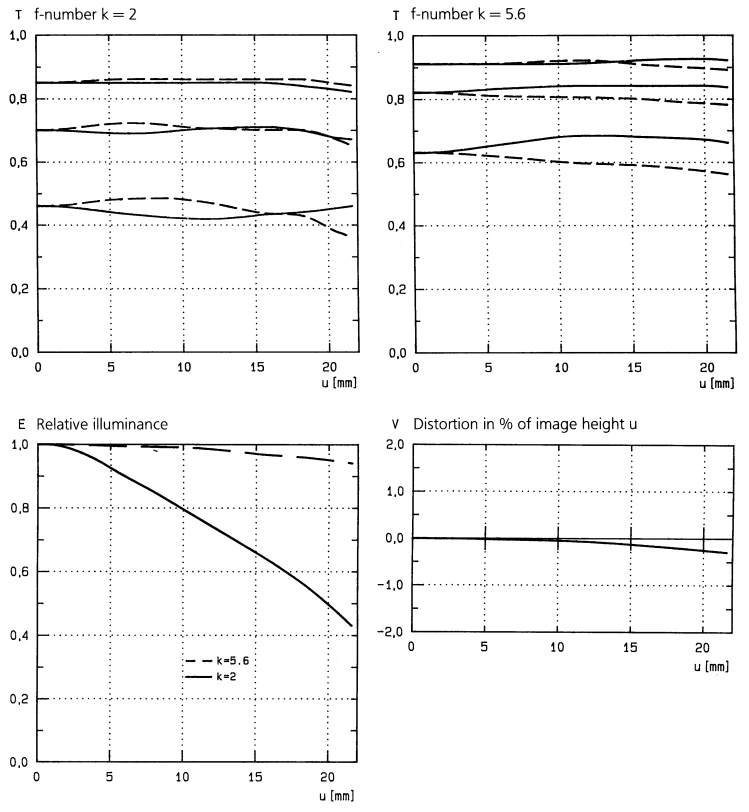
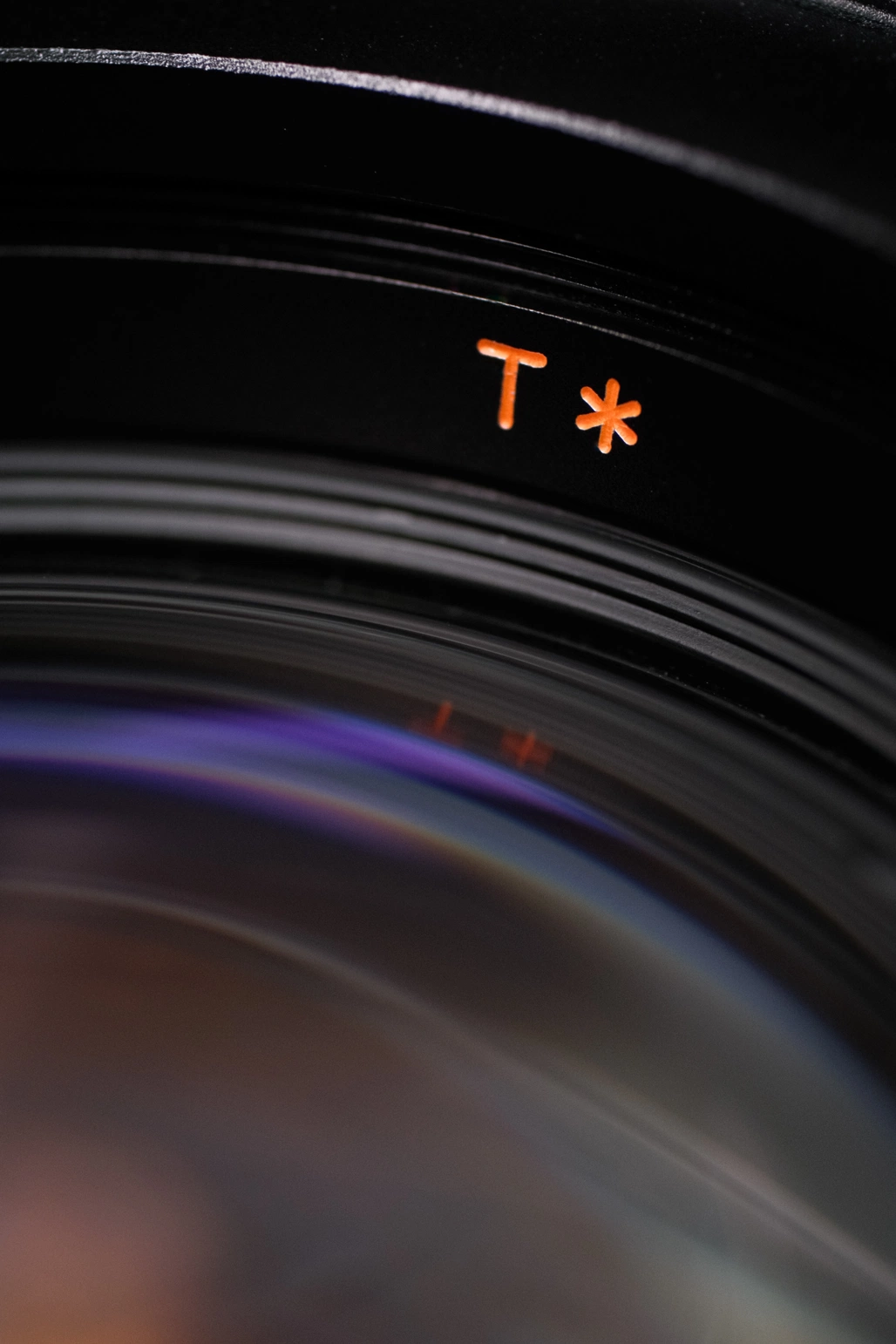
An objectively subjective chart MTF charts, which many photographers focus on to compare lenses, can you tell about a few aspects of the lens. But it suggests a complete and objective picture that in reality is omitting a lot of other data that is just as relevant. None of this shows up well on a chart, which is why the internet keeps arguing about whether 3D pop exists at all. An MTF chart measures contrast at a few spatial frequencies across the frame. It says nothing about how a face sits in a room or how the focus rolls off behind it. When Chambers kept pressing Hubert Nasse, who wrote Zeiss's reference papers on reading MTF curves, on what makes a lens perform well, Nasse answered, "it is the sum of every­thing": no single measurement tells you. Ballmann says no set of measurements can be "a proper substitute for the visual impression of a photo­graph taken under realistic conditions." Zeiss's T* anti-reflection coating plays a supporting part in that sum. The micro contrast comes from the optical design, and the coating keeps stray light from greying it out. No chart will settle that argument, but my own eyes settled it for me years ago.

For old lenses, the Contax Zeiss look remarkably un-vintage. There is no mushy softness wide open, no halos around high­lights, and no swirly or busy bokeh competing with the subject for attention. Nick Morrison, whose Contax Zeiss Survival Guide on the REDUSER forum is still the reference text for people shooting these lenses on video, put it well: "The Contax don't look vintage to me, but they also don't look modern." That balance is what makes them usable on client work. A client wants their event to look beautiful and couldn't care less which decade the glass comes from, so an old lens with a heavy vintage signature is a risk I'd be taking on their behalf.

Much of the clean look comes from the T* coating. Its story starts in 1935, when the Zeiss physicist Alexander Smakula patented an anti-reflection coating. The multi-layer version was later labelled T* in Oberkochen, where Zeiss has its head­quarters, and from 1972 every Zeiss camera lens was multi-coated, so the Contax line was born with it in 1975. White­point Optics in Helsinki will rebuild these lenses into full cinema housings, but it refuses to recoat them, because the lenses would lose their look. The "not modern" half of Morrison's line matters just as much to me. Modern glass etches every pore into a 4K frame. These lenses leave the skin its texture but spare it the scrutiny, so a face stays flattering even in a tight close-up.

Lenses that have some decency

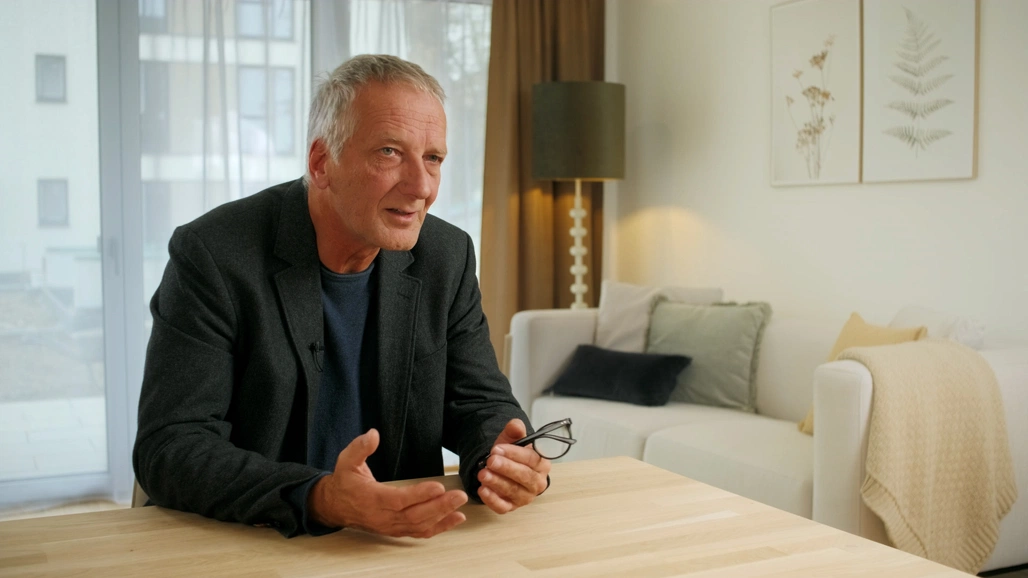
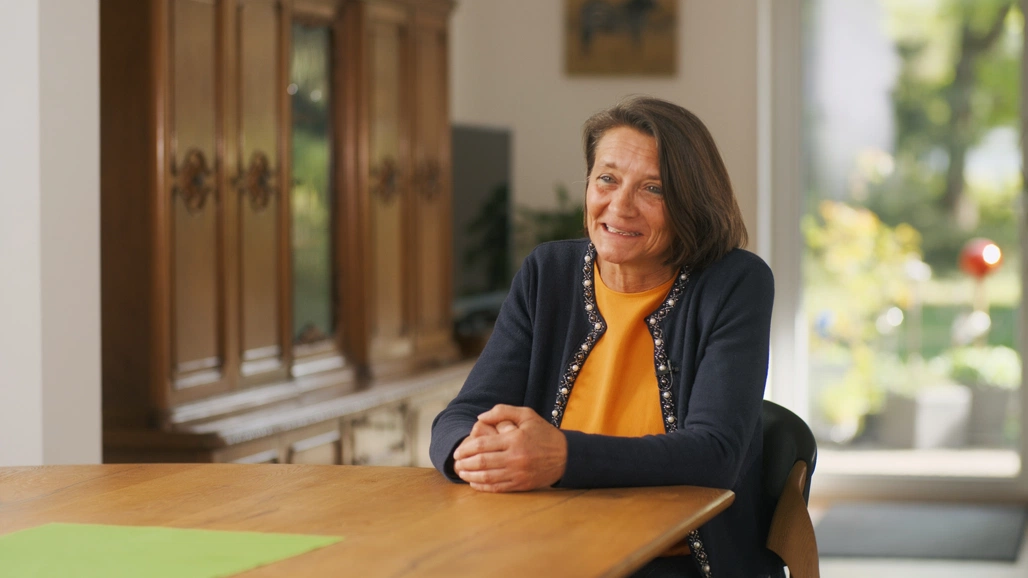
A still from an interview shot with the 50mm @ f2.8. Would you trade this specific look for even more sharpness?

Colour that makes people look good

The coating also has a direct influence on colour. Flare and internal reflections mix light from different parts of the frame, which is why Zeiss's own technical paper on T* says reflections cost an image its "crispness and color fidelity". The colour these lenses render is rich without being loud. Skin tones are what I notice first: faces keep their warmth and a hint of blush, and the gradients across a face stay natural even in difficult light. Marko Li also treats colour accuracy as part of the same story as micro contrast, since muddy colour pollutes the fine tonal differences that make a face look three-dimensional.

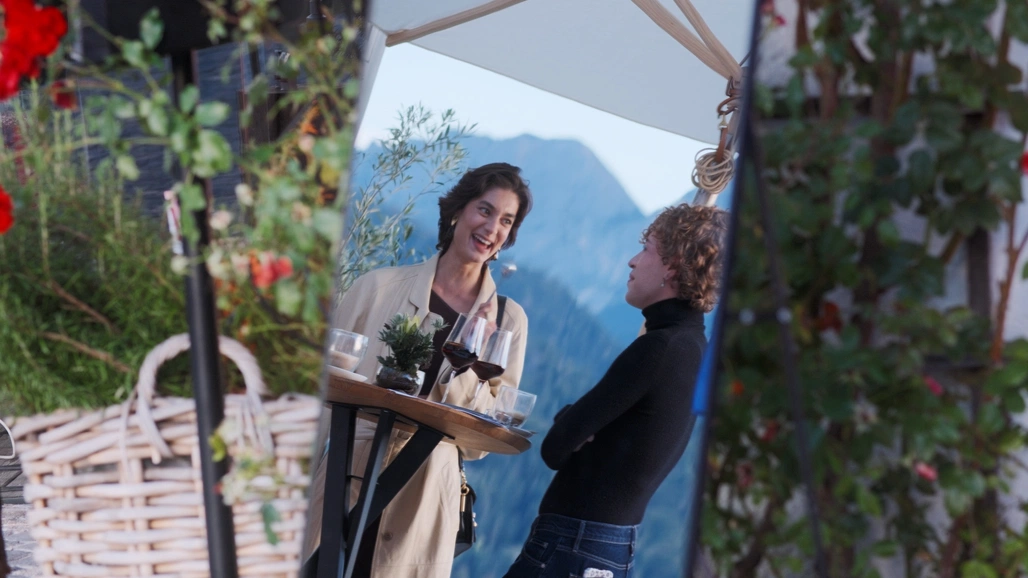
Still: skin tones, Fujifilm X-H2S + Contax Zeiss

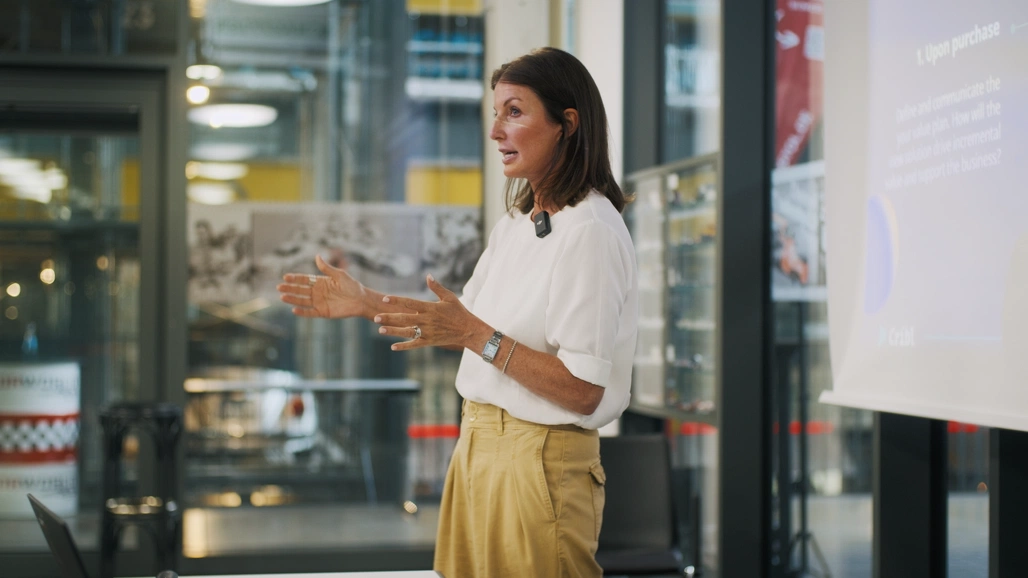
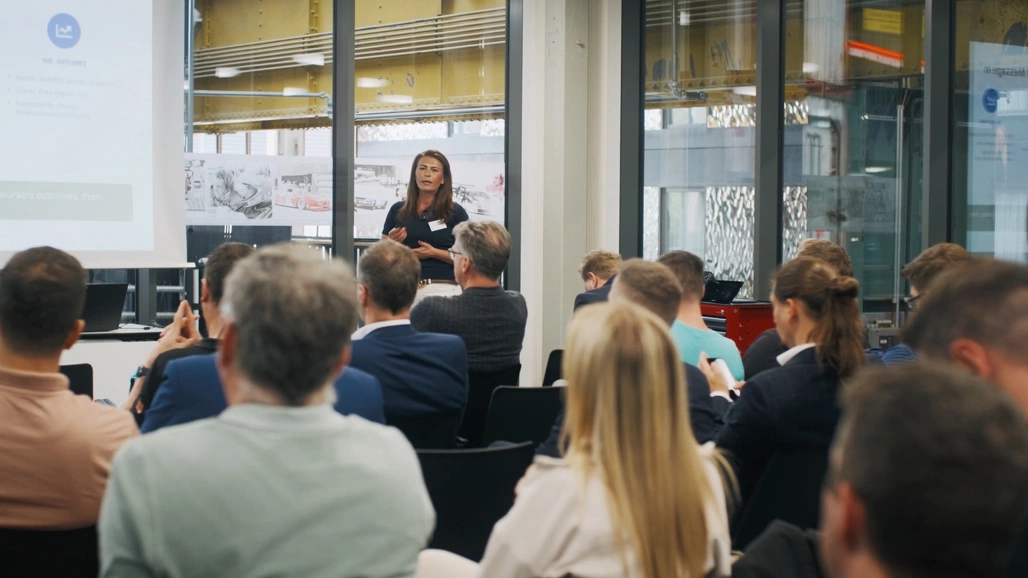
Without that much effort this shot of a speaker presenting a talk during Cribl's partner day in Munich is looking gorgeous. There's both vibrant and subtle colors and gradients, even though this was definitely not like like a movie scene. And again, there's the 3d pop effect that is giving you the feeling you are right there.

I pair the lenses with a Fujifilm X-H2S, shooting F-Log2C, and together they are miles ahead of the typical Sony body with clinical Sony or Sigma lenses. I know that combination well, because I shot Sony myself before making a conscious switch to Fuji, mainly to simplify colour grading. Sony often put strange green shades on people's faces, especially in mixed lighting, and I noticed it even under controlled light. Fuji simply gets skin right, and outdoor scenes look better too, greens especially, with grass that looks like grass rather than artificial turf. Since the switch I spend much less time in Resolve to reach a decent result, which is a polite way of saying I used to lose a lot of time making sure the people who were in front of my camera don't look as if they're feeling unwell. That's my experience across my own jobs, and it's been consistent enough that I stopped doubting it.

Nobody repeats the award handover

I started out doing reportage and documentary work with auto­focus lenses on a gimbal, and nothing else, and it caused me a lot of frustration. The auto­focus decided what mattered in the frame, and it didn't always agree with me. At an event that disagreement is expensive. If a specific moment happens and the auto­focus gets distracted by some­thing else in the frame, there is no way to capture it again, because nobody is going to repeat the handover of an award and the reactions for the camera.

With manual focus, I decide. I'm much more comfortable working that way, because I want control over what I'm doing, including the responsibility when I miss. When a moment lands, it lands because I saw it coming and pulled focus in time, and that is a large part of why the work feels like mine. Here the micro contrast pays off a second time. Chambers points out that a lens with high micro contrast makes manual focus easier, because an in-focus image visibly "snaps" into focus.

Not being a proxy of the camera's algorithms

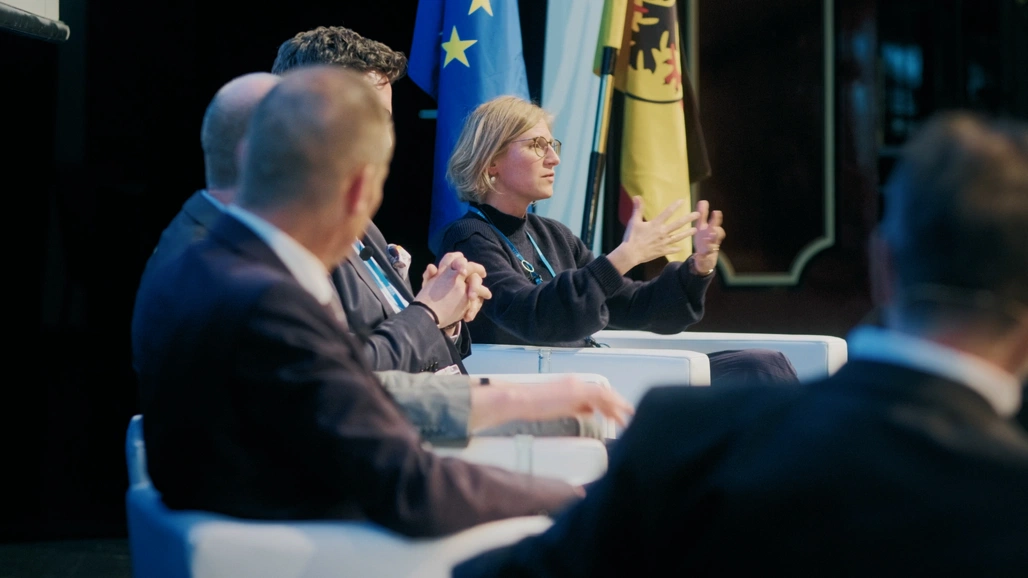
The moment the winners walk out of the crowd: who would the autofocus pick? The woman or her colleague? Or someone in the audience? At an award ceremony, I don't plan to find out after the fact.

Conversion for film

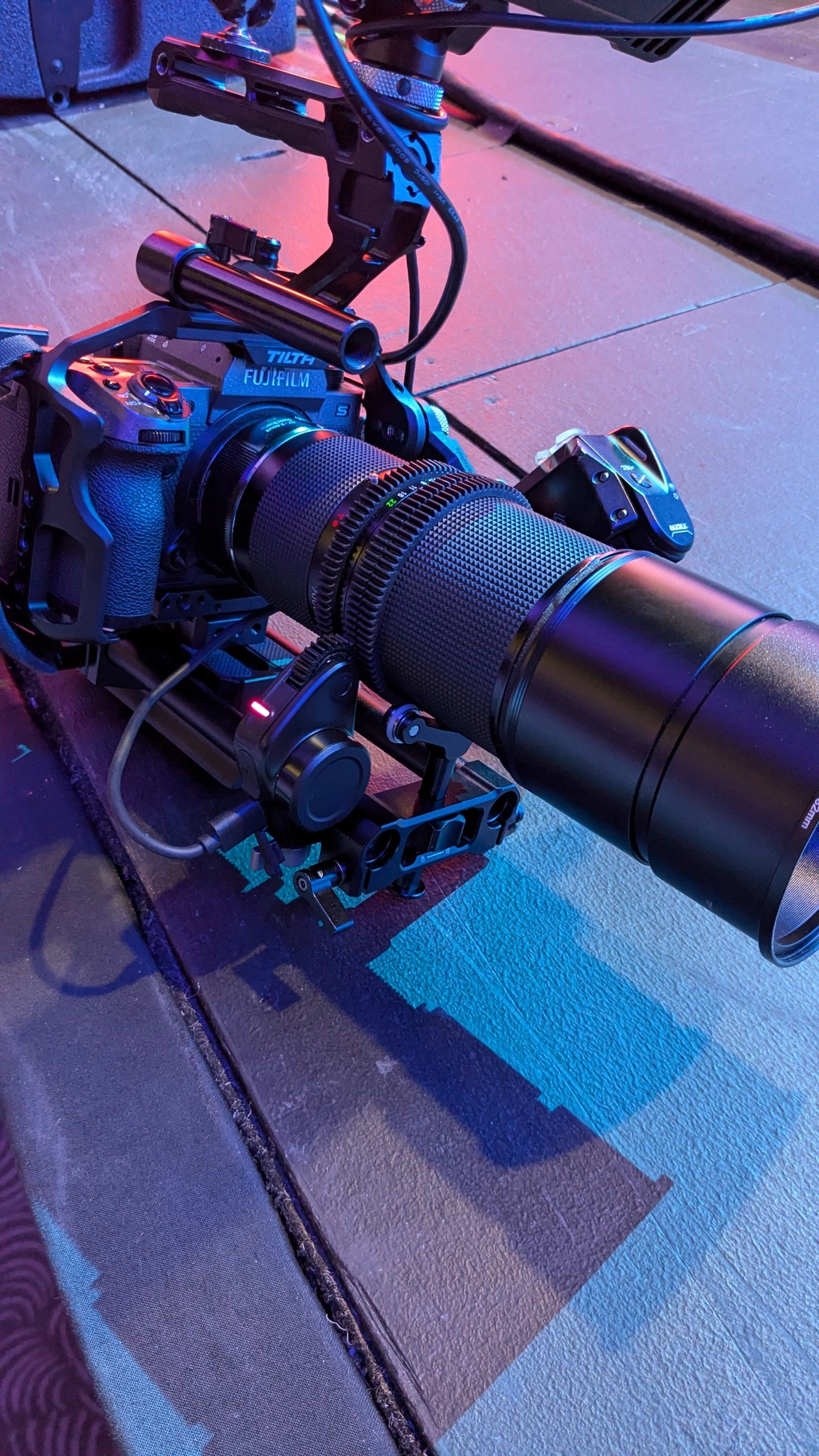
Fujifilm X-H2s with the Contax Zeiss 180mm f2.8, a 2x extender, and a focus motor. The fine stepping pays off the most with longer focal lengths, where it's hard to nail focus.

Because these lenses were designed for photography, which has other demands than cinema, the focus throw on these still lenses is relatively short. When used with a focus motor, I can still get precise enough focus. The whole set is cine-modded for it: every lens has a gear for the motor, a smooth clickless aperture and is adapted to use 82mm filters, the same as the Fuji and Tokina zooms I use, so one set of filters fits every­thing in the bag.

The seven focal lengths each have a different job at events. In the following gallery I want to give you an impression of what the different focal lengths do. If you're familiar with this already, you can just enjoy the slideshow.

The 135 and 180mm let me film a speaker on stage or catch a guest’s reaction from a distance. People are much more at ease when I’m not standing beside them with a camera, and these lenses make a face stand out beautifully against the bustle behind it.
A wide lens brings more of the evening into view: the venue, the crowd, how full the room has become. And when there’s barely room to move, I can use it close to someone and make the viewer feel as though they’re standing there too.
Interviews usually fall somewhere between those two views, using the 35 to 85mm lenses. They all connect to my Fuji through a Metabones Speed Booster, an adapter that restores their original full-frame view and also makes filming in dim rooms a little easier.
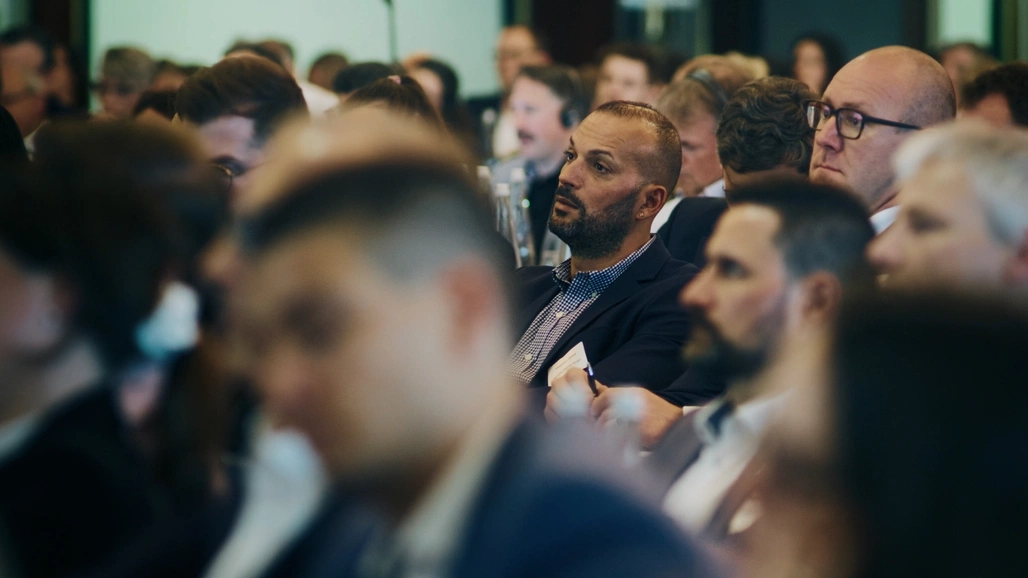
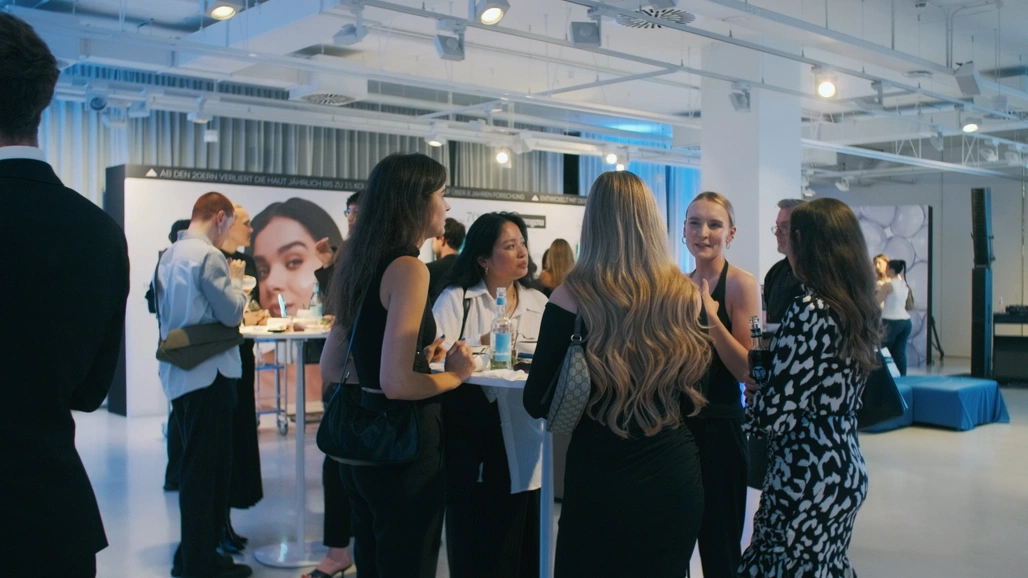
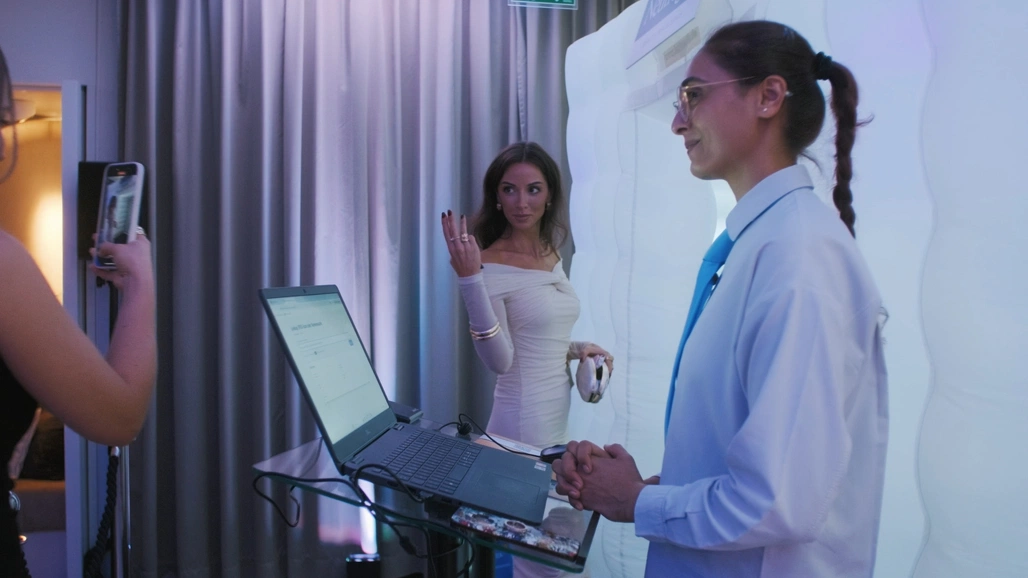
For the type of shot shown on the left, where we watch the speaker over the shoulders of the audience I use the 135mm or 180mm. On the right I used a 50mm, which has the effect that the speaker is smaller in the frame and we see more of the audience. The point is not that one or the other is better, but that it's good to bring in some variety and to know which focal length to use.

In pieces on the desk

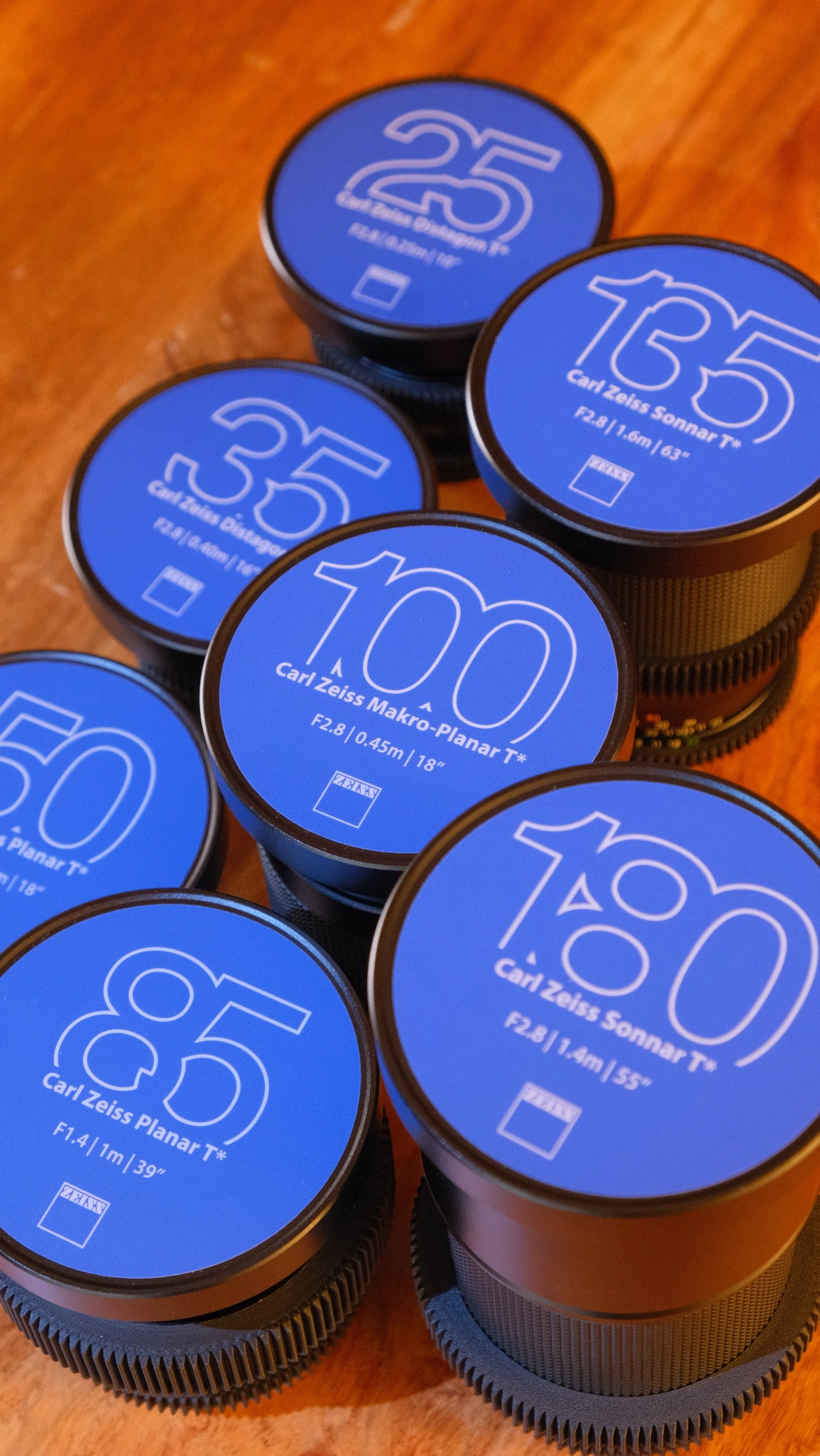
My set as it stands today:

LensDesignClose focusWeight
Distagon T* 25mm f/2.8retrofocus wide0.25 m360 g
Distagon T* 35mm f/2.8retrofocus wide0.40 m245 g
Planar T* 50mm f/1.4double Gauss0.45 m275 g
Planar T* 85mm f/1.4double Gauss1.00 m595 g
Makro-Planar T* 100mm f/2.8macro Planar0.41 m740 g
Sonnar T* 135mm f/2.8Sonnar tele1.60 m585 g
Sonnar T* 180mm f/2.8Sonnar tele1.40 m815 g

Specs from Apotelyt's Contax lens compendium. Weights are for the bare lens, without adapter or Speed Booster.

They are built like instruments, with all-metal barrels and a mechanical feel that no modern lens in my bag comes close to. All of mine are MMG or MMJ copies, the later versions made in Germany and Japan, and they date from around the nineties. After thirty years, not every­thing moves the way it did when it left the factory. Some focus rings are a little stiff, usually from old lubricant, and a few lenses have other small issues, which is fair for equipment of that age. So I've started taking them apart and servicing them myself. It's slow work with small screws and old grease, but there's no better way to see how well these lenses were made. With one of them in pieces on the desk, what surprises me is how little room the mechanics are allowed to take. Every­thing is engineered around the glass, giving it as much space as possible without costing the focus any of its smoothness, and the whole thing is built so sturdily that a knock against a door frame is nothing I'd worry about.

The click

At a gala launch, the first stretch of the evening moves fast. Before the guests arrive, and from the moment they start coming in until the first speaker welcomes them from the stage, I need a lot of varied coverage in very little time. For that stretch I often take the Fuji 18-120mm zoom, because it's the right tool for it. It catches every­thing, and in that part of the evening, catching every­thing is the job.

Then the programme starts and I switch to the Zeiss lenses. Some­thing clicks in me the moment that image comes up on the monitor. The room I've just been covering suddenly has depth again. People lift away from the crowd behind them, and skin looks pleasing even under harsh lights.

From there the evening turns into looking. With the 135 on, I stop grabbing whatever is in front of me and start waiting for the moments the zoom was too busy to notice: a speaker's last deep breath before walking on, one table starting to clap a beat before the rest of the room, the half-second before a laugh. The evening stops feeling like a shot list, and I believe I often do my best work in that part of the night, because I'm falling in love with what I see.

A face turned toward the stage. The light settling on it. The room falling away behind it. None of it was staged, none of it will happen twice, and for a few seconds the lens and I are its only witnesses.

An evening like this is built to feel a little enchanted: the lights go low, people dress up for it, and the room wants to be remembered kindly. These lenses let the film carry that glow home. I'd leave the modern, clinical glass for the dentist adverts.