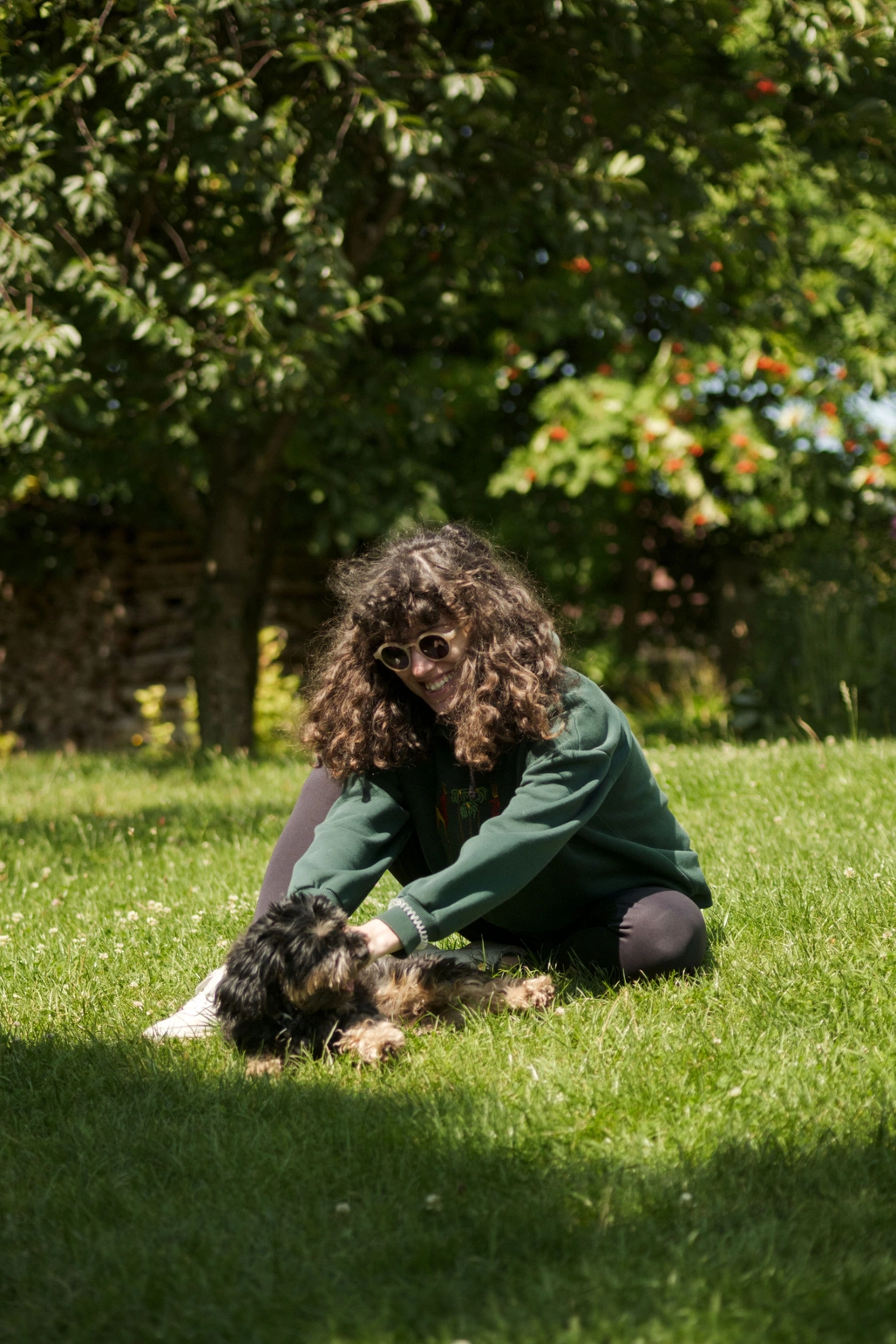
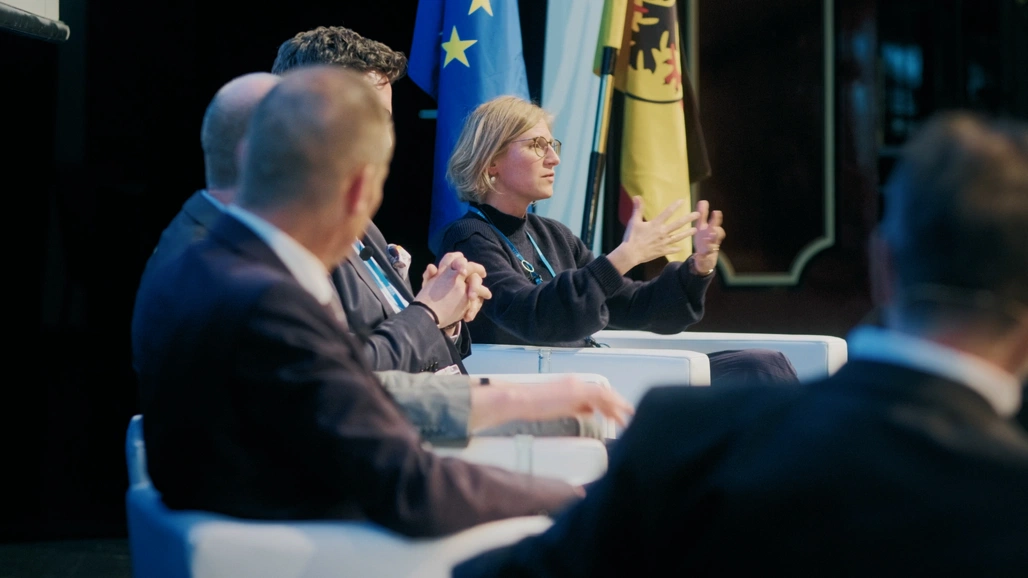
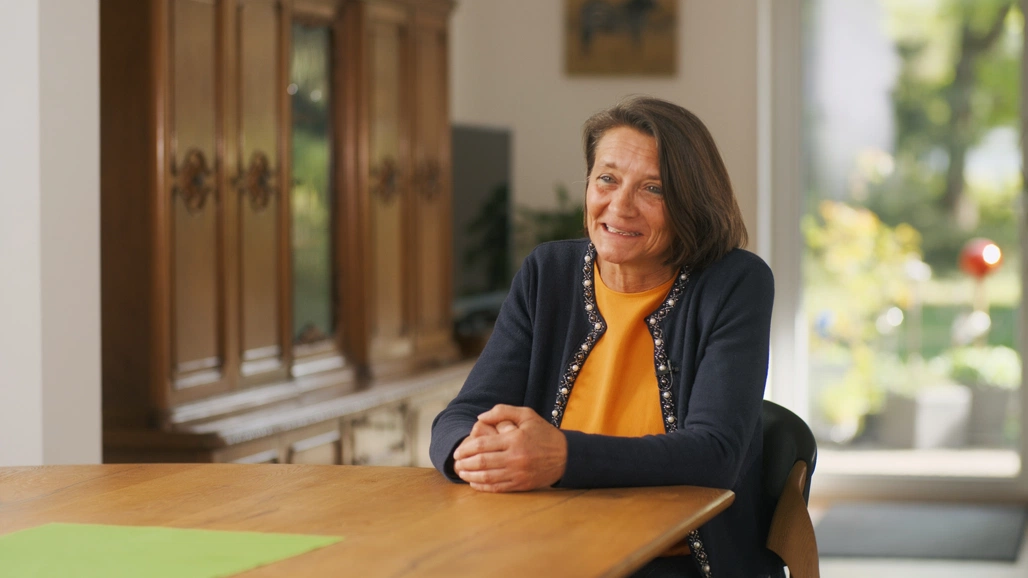
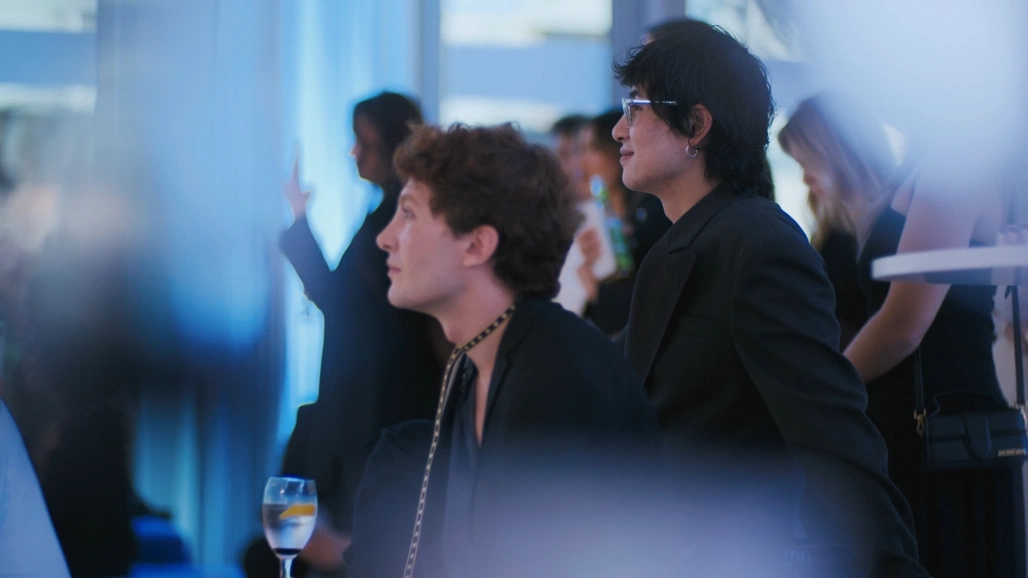
One of the pictures from early on that surprised me and convinced me, that these lenses are something special. Why does it look almost like a hologram?
Článek · Objektivy
One of the pictures from early on that surprised me and convinced me, that these lenses are something special. Why does it look almost like a hologram?
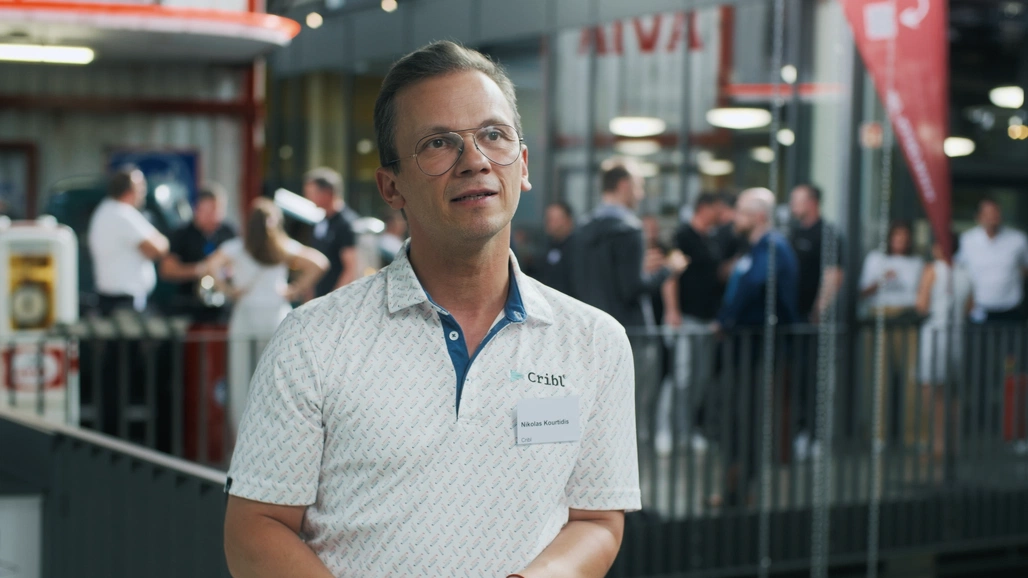
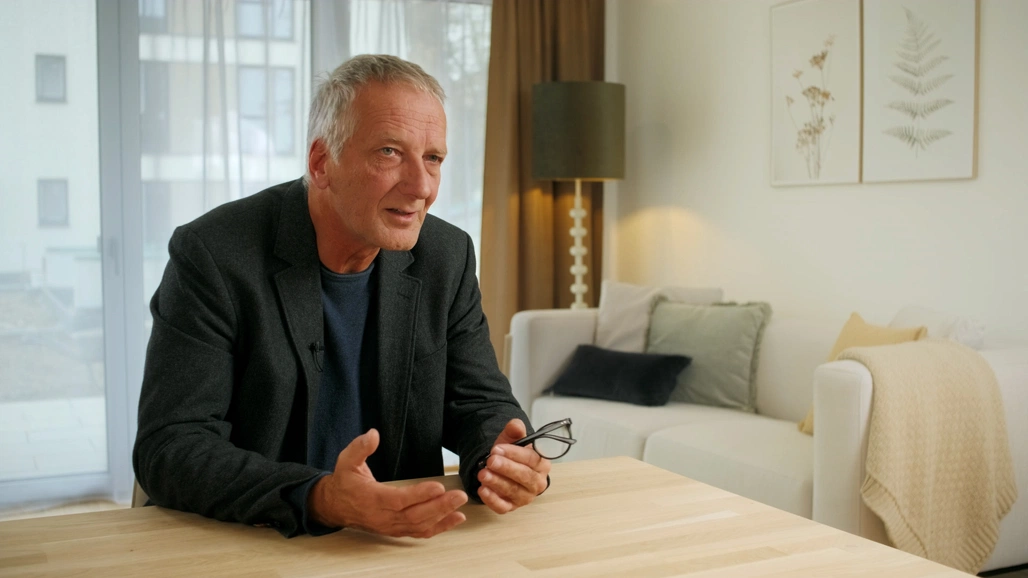
A still from an interview shot with the 50mm @ f2.8. Would you trade this specific look for even more sharpness?
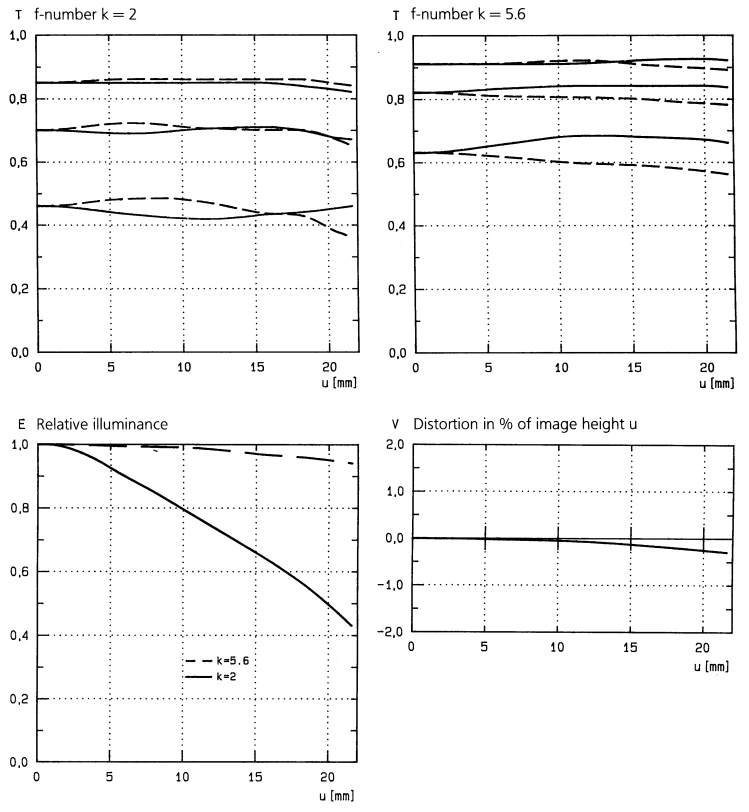
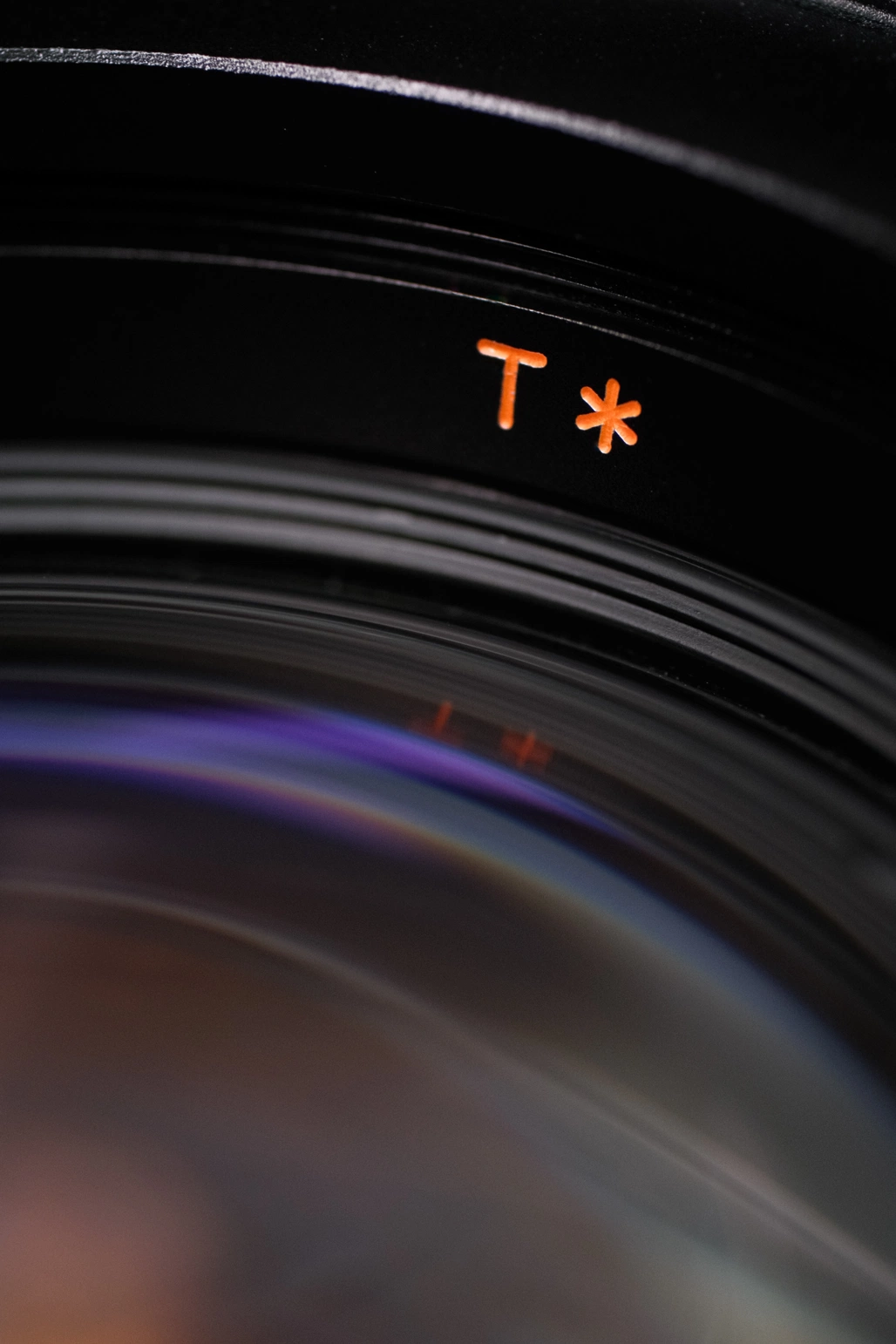
Much of the clean look comes from the T* coating. Its story starts in 1935, when the Zeiss physicist Alexander Smakula patented an anti-reflection coating. The multi-layer version was later labelled T* in Oberkochen, where Zeiss has its headquarters, and from 1972 every Zeiss camera lens was multi-coated, so the Contax line was born with it in 1975. Whitepoint Optics in Helsinki will rebuild these lenses into full cinema housings, but it refuses to recoat them, because the lenses would lose their look. The "not modern" half of Morrison's line matters just as much to me. Modern glass etches every pore into a 4K frame. These lenses leave the skin its texture but spare it the scrutiny, so a face stays flattering even in a tight close-up.
A still from an interview shot with the 50mm @ f2.8. Would you trade this specific look for even more sharpness?
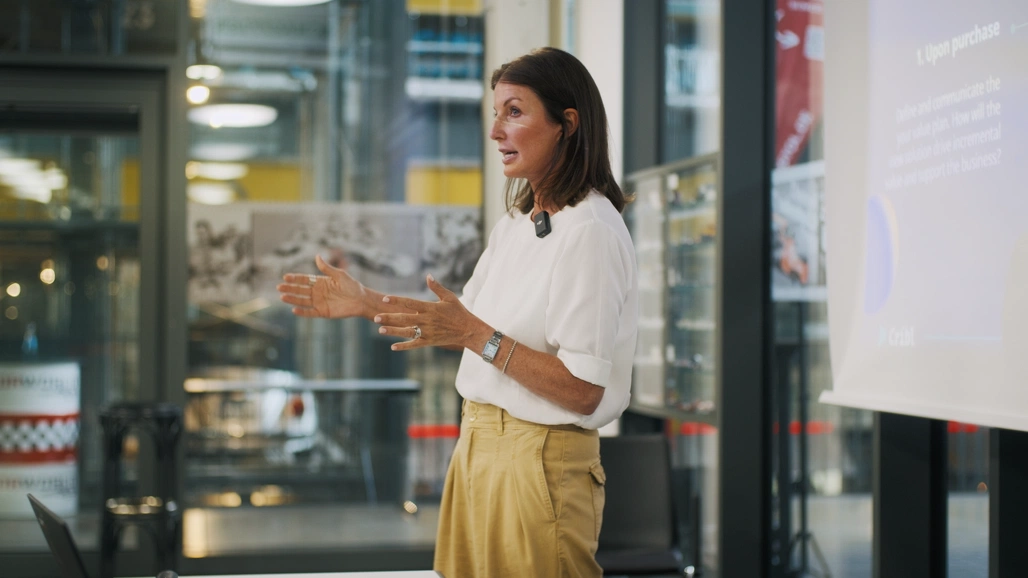
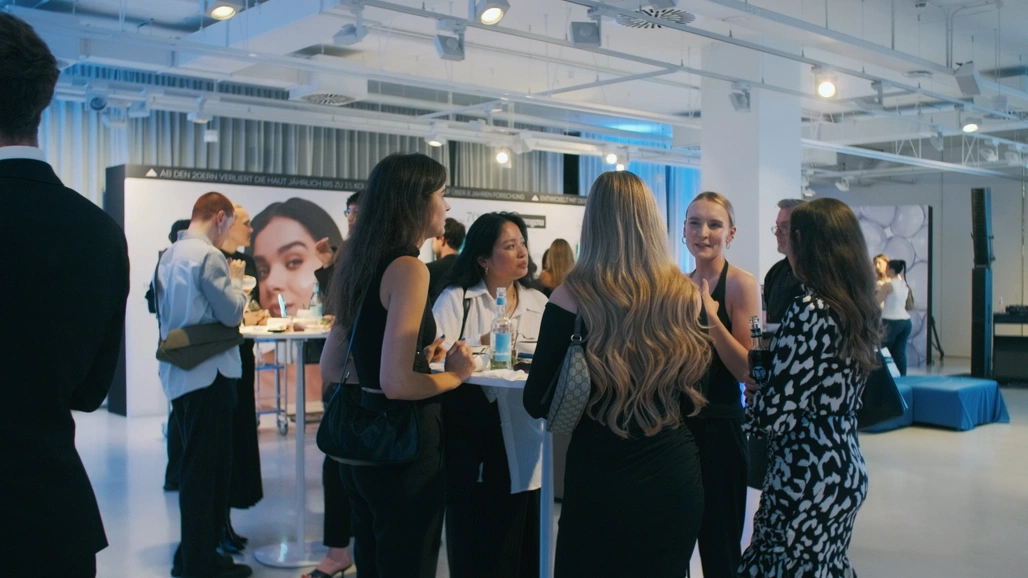
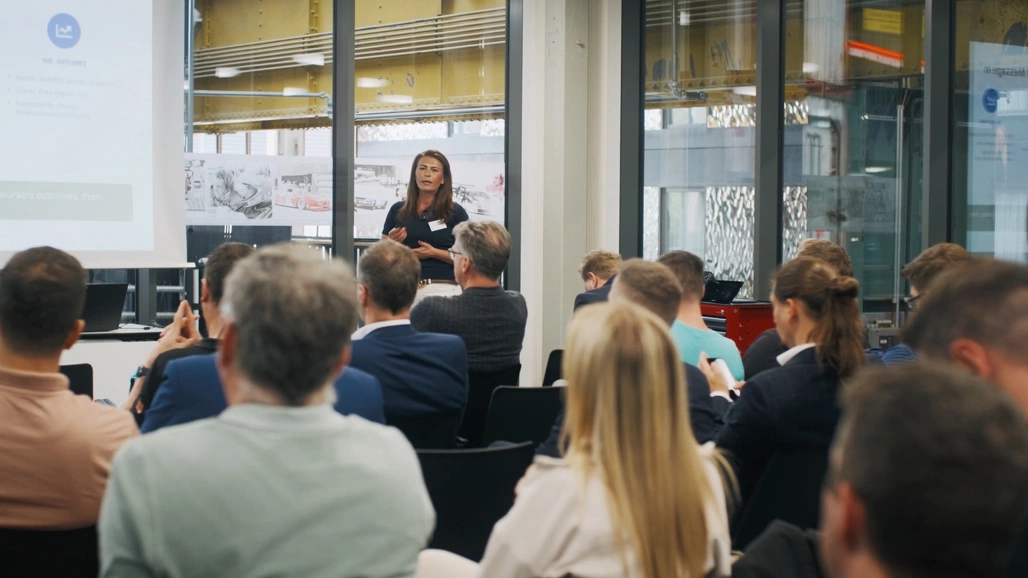
Without that much effort this shot of a speaker presenting a talk during Cribl's partner day in Munich is looking gorgeous. There's both vibrant and subtle colors and gradients, even though this was definitely not like like a movie scene. And again, there's the 3d pop effect that is giving you the feeling you are right there.
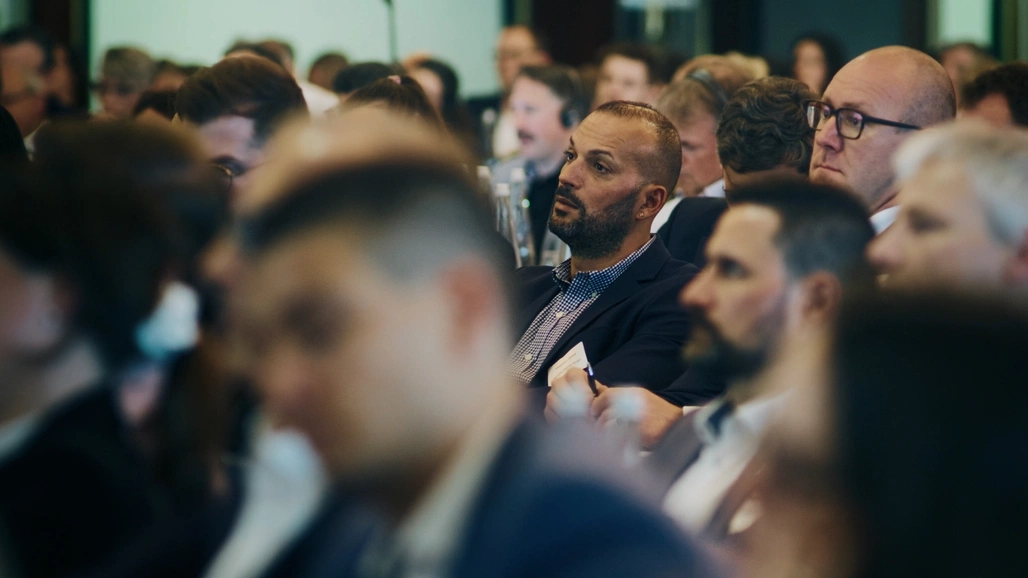
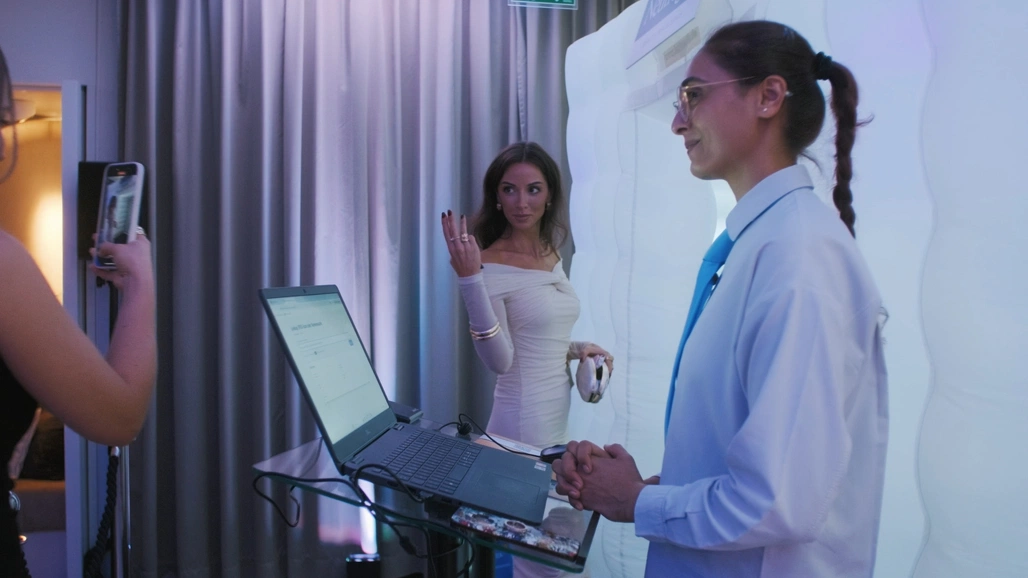
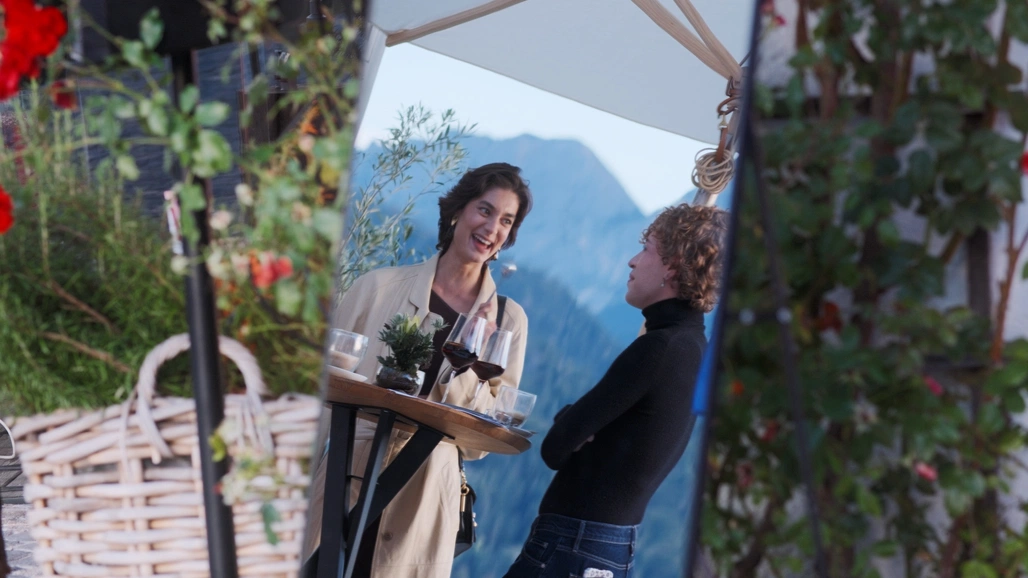
The moment the winners walk out of the crowd: who would the autofocus pick? The woman or her colleague? Or someone in the audience? At an award ceremony, I don't plan to find out after the fact.
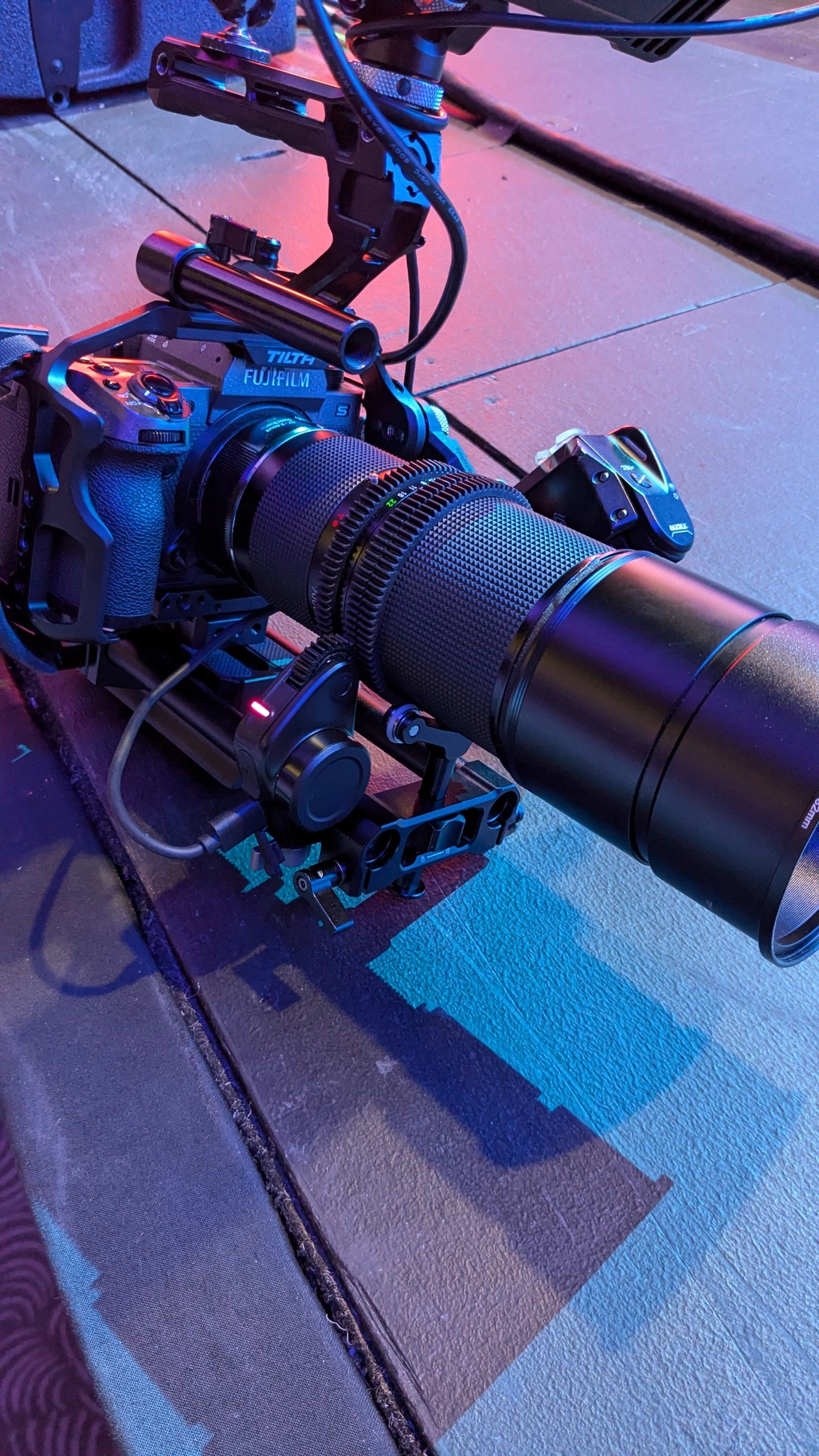
Fujifilm X-H2s with the Contax Zeiss 180mm f2.8 and a 2x extender, effectively converting it to a 360mm f5.6.
The focus throw on these still lenses is short by cinema standards, roughly half of what a cinema lens gives you, so I use a focus motor. The whole set is cine-modded for it: every lens has a gear for the motor, a smooth clickless aperture and takes 82mm filters, the same as the Fuji and Tokina zooms I use, so one set of filters fits everything in the bag.
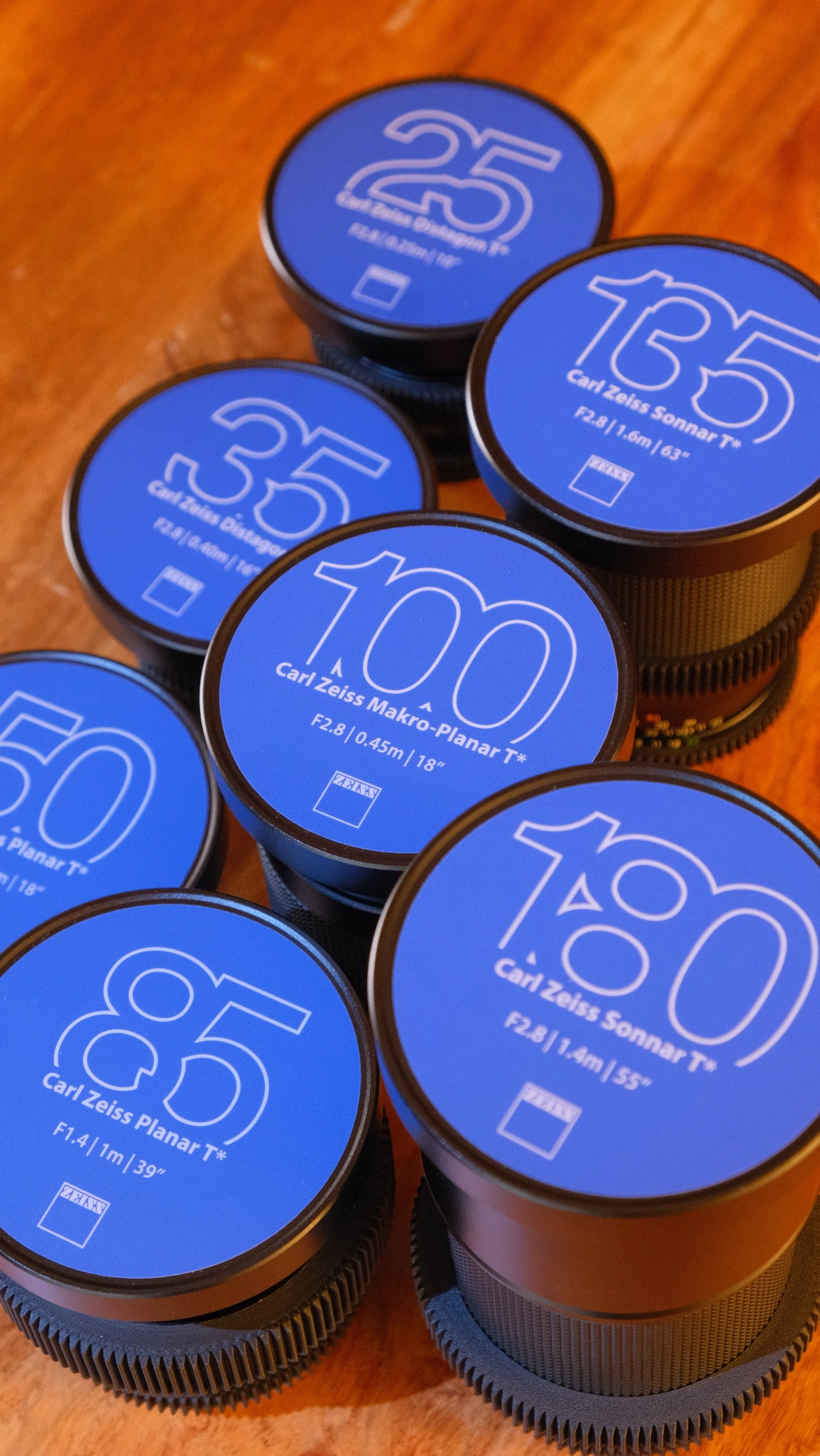
The seven focal lengths each have a job at events. At events, I choose a lens partly by how close I want to be to people.
| Objektiv | Konstrukce | Min. ostřicí vzdálenost | Hmotnost |
|---|---|---|---|
| Distagon T* 25mm f/2.8 | retrofokusní širokoúhlý | 0,25 m | 360 g |
| Distagon T* 35mm f/2.8 | retrofokusní širokoúhlý | 0,40 m | 245 g |
| Planar T* 50mm f/1.4 | dvojitý Gauss | 0,45 m | 275 g |
| Planar T* 85mm f/1.4 | dvojitý Gauss | 1,00 m | 595 g |
| Makro-Planar T* 100mm f/2.8 | makro Planar | 0,41 m | 740 g |
| Sonnar T* 135mm f/2.8 | teleobjektiv Sonnar | 1,60 m | 585 g |
| Sonnar T* 180mm f/2.8 | teleobjektiv Sonnar | 1,40 m | 815 g |
Parametry podle kompendia objektivů Contax na Apotelytu. Hmotnost platí pro samotný objektiv bez adaptéru a Speed Boosteru.